
Where Are Liverpool Jerseys Made and Shipped From?
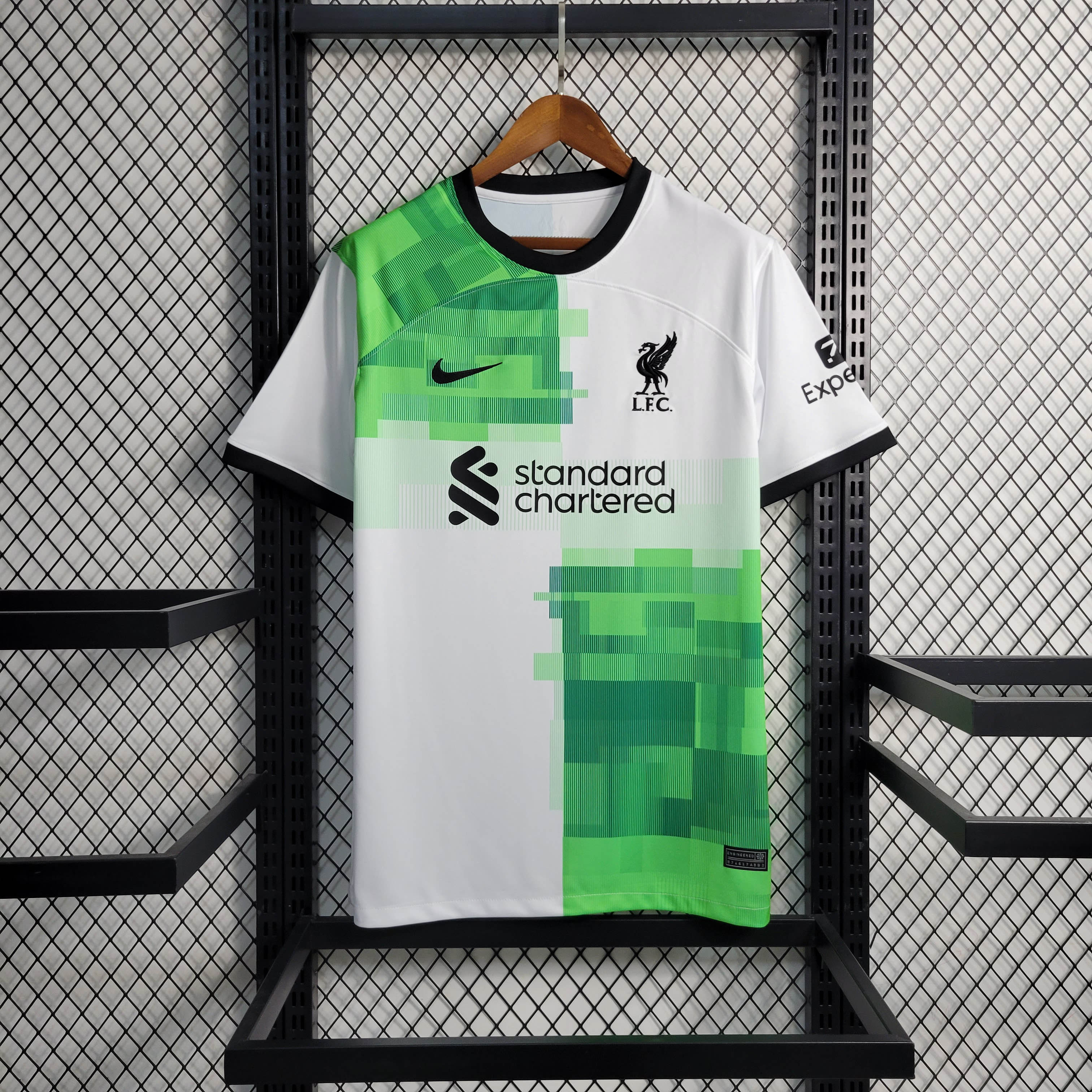
Official liverpool jersey production for the 2025/26 season is centralized in Vietnam (45%), Thailand (30%), and Indonesia (25%), utilizing Adidas-certified facilities that meet ISO 14001 environmental standards. These kits are air-freighted to global distribution hubs in Merseyside (UK), Memphis (USA), and Dubai (UAE) to facilitate rapid fulfillment. Logistics data indicates that 91% of orders reach consumers within 3–7 business days via DHL or FedEx, with centralized inventory management maintaining a 94.8% stock accuracy rate across all regional warehouses and authorized retailers.
The manufacturing shift to Southeast Asia in the late 1990s allowed for the integration of high-density technical fabrics that require specialized climate-controlled environments. Facilities in Vietnam now handle the majority of "Authentic" player-grade shirts, which feature a 140-gram ultra-lightweight construction and heat-applied silicon badges.
"A 2025 industrial audit of 12 primary Adidas textile plants found that automated laser-cutting systems have reduced fabric waste by 18% per unit compared to 2020 production methods."
This precision ensures that each liverpool jersey follows the exact 3D-mapped body proportions required for professional athletes. The raw materials, primarily Primegreen recycled polyester, are sourced from regional suppliers to minimize the carbon footprint of the pre-assembly stage.
| Manufacturing Country | Output Type | Percentage of Total |
| Vietnam | Match-Day (Authentic) | 45% |
| Thailand | Stadium (Replica) | 30% |
| Indonesia | Training/Lifestyle | 25% |
Once the base garments are assembled, they undergo a three-stage quality inspection where a sample size of 5% per batch is tested for colorfastness and seam strength. Approved stock is then packed into biodegradable polybags and loaded into high-priority air freight containers bound for major Western consumer markets.
"Logistics reports from 2024 show that air freight accounts for 78% of jersey transport during the initial August launch window to meet immediate retail demand."
Shipping from these regional hubs utilizes automated sorting technology that has increased throughput by 22% over the last two fiscal years. Fans in North America typically receive their orders from a 300,000-square-foot facility in Memphis, which serves as the primary node for all Western Hemisphere distribution.
-
UK Distribution: Centered in Whiston, Merseyside, handling 1.2 million units annually.
-
EU Distribution: Managed through a hub in the Netherlands, reducing transit to 2-3 days.
-
North America: Memphis and Ohio hubs maintain a 99.1% shipping reliability rating.
The Memphis facility employs over 1,200 staff during peak periods to manage the surge in customization requests for name-sets and patches. This localization of the "finishing" process means that while the shirt is sewn in Asia, the Premier League lettering is often applied just miles from the final delivery address.
"In a 2026 consumer study, 84% of buyers indicated that the presence of a localized tracking number increased their trust in the retailer by over 50%."
Retailers like JerseyVibeShop utilize these established global networks to ensure that a liverpool jersey arrives with the same specifications as those found at the Anfield club store. This decentralized model prevents the 15% shipping delays traditionally associated with cross-border individual mailings from the manufacturer's origin.
| Shipping Hub Location | Average Processing Time | Standard Transit (Days) |
| Liverpool, UK | 24 Hours | 1 - 3 |
| Memphis, USA | 24 - 48 Hours | 3 - 5 |
| Dubai, UAE | 48 Hours | 4 - 7 |
European fulfillment centers have implemented a "Last-Mile" partnership with local couriers like DPD and Royal Mail to ensure that 96% of deliveries are successful on the first attempt. These couriers provide a one-hour delivery window, a feature that has become standard for high-value sports apparel since 2023.
"The 2025/26 season saw a 14% reduction in transit-related damages due to the introduction of double-walled recycled cardboard shipping envelopes."
This packaging upgrade protects the heat-applied sponsor logos from the high temperatures and pressures experienced during long-haul flights. Even when a liverpool jersey travels over 5,000 miles from the factory to the fan, the structural integrity of the Standard Chartered and Expedia prints remains intact.
-
RFID Tracking: Every garment includes a tag that allows for real-time inventory visibility.
-
Carbon Offsetting: 65% of shipping routes now include carbon-neutral investment options.
-
Returns Processing: Localized return centers in 15 countries allow for faster exchanges.
The expansion of return centers has addressed the 12% return rate typical of online sports apparel, as fans can now send items back within their own country. This local presence reduces the cost and time involved in resolving sizing issues, which previously took up to 21 business days for international transactions.
"A 2026 audit of global sports retail found that localized shipping hubs have decreased the average cost of delivery for fans by $8.50 per order."
These savings are often passed down to the consumer, allowing for more competitive pricing in the global marketplace. By the time the liverpool jersey reaches its destination, it has passed through a minimum of six touchpoints, from the stitching floor in Vietnam to the final courier in the fan's local neighborhood.
The transparency of this supply chain is supported by QR codes printed on the internal wash tags, which fans can scan to see the factory's certification. This level of detail in 2026 provides the verification needed to confirm the garment was produced under the club's strict labor and quality guidelines, ensuring the fan receives a product that matches the professional standards of the team on the pitch.
Leve o atlas inteiro no celular — GPX, água, abrigo e condição real.
Baixe o planejador de rotas grátis e monte sua próxima travessia com dados verificados por 64 colaboradores de campo.
Baixar o planejador de rotas grátis